
Changing Plans: From Cotopaxi to Cayambe
Ecuador has long been a dream destination for mountaineers, offering a combination of stunning peaks, accessible climbs, and vibrant culture. Lucian and I had initially set our sights on Cotopaxi, one of Ecuador’s most famous volcanoes. At 5,897 meters (19,347 feet), its perfectly symmetrical cone is both iconic and alluring. But nature had other plans—Cotopaxi was erupting when we arrived, and climbing it wasn’t an option.
Our disappointment quickly turned into excitement when we shifted our goal to Cayambe. At 5,790 meters (18,996 feet), Cayambe is Ecuador’s third-highest peak and boasts a unique challenge with its crevassed glaciers and technical terrain. Although slightly smaller than Cotopaxi, it’s equally rewarding and perhaps even more intriguing. Looking back, I’m glad we made the switch.
Why Ecuador is Perfect for Mountaineers
Ecuador is a mountaineer’s paradise. The country is dotted with towering volcanoes that rise abruptly from the lush Andean landscape, offering diverse climbing opportunities within a relatively small area. One of the unique aspects of climbing in Ecuador is the ability to explore high-altitude peaks while also enjoying rich cultural experiences and breathtaking scenery.
The people are incredibly welcoming, the food is hearty and flavorful, and the landscape is like something out of a dream. From vibrant markets filled with colorful textiles to cloud-shrouded mountain trails, every moment in Ecuador feels special.
Arrival and First Steps
Our adventure began in Quito, Ecuador’s bustling capital city. Nestled at 2,850 meters (9,350 feet), Quito itself serves as an excellent starting point for acclimatization. The city is a mix of old-world charm and modernity, with narrow cobblestone streets, colonial architecture, and vibrant markets.
Despite our limited Spanish, we managed to navigate logistics, secure a hotel, and start planning our climbs. The locals were patient and kind, helping us feel at ease in a foreign land.
The next day, we headed to Pichincha, an extinct volcano that towers over Quito. The hike was our first acclimatization effort and provided stunning views of the ancient caldera. Snow dusted the peaks, and clouds swirled around us, creating an ethereal atmosphere. It was the perfect introduction to Ecuador’s high-altitude landscapes.
Illinizas Basecamp: A Warm Welcome
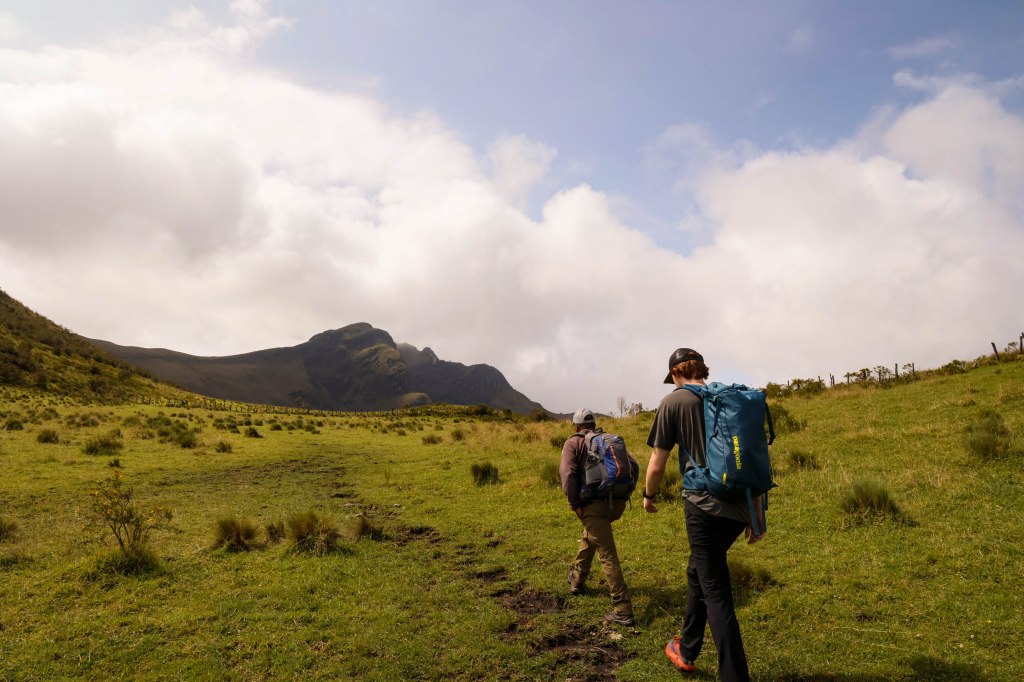
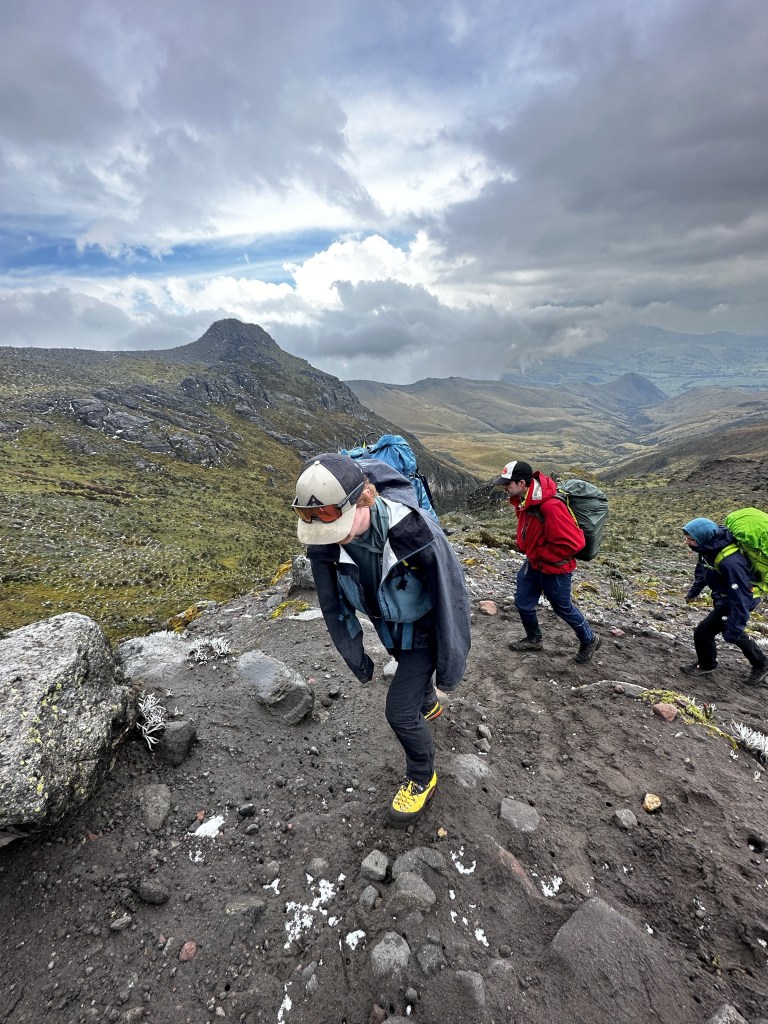
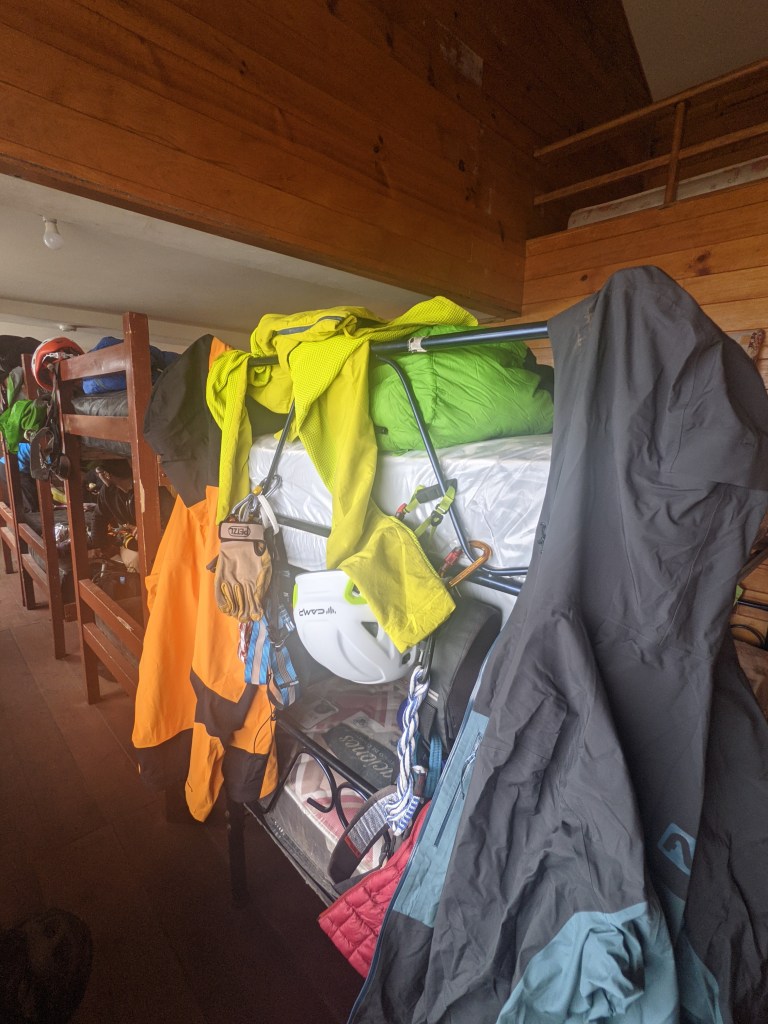
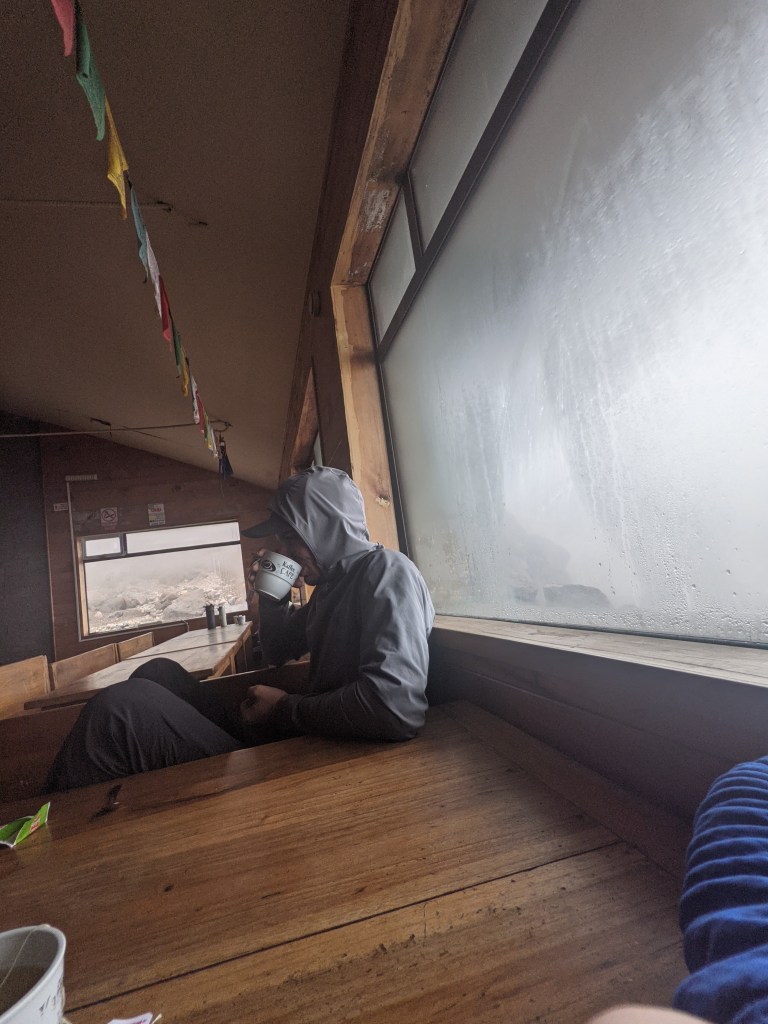
Our next stop was Illinizas, a pair of volcanic peaks located south of Quito. The hike to the basecamp was a test of endurance, as we carried all our gear through rugged terrain. But the effort was worth it—basecamp greeted us with a hearty meal of spicy soup, trout, and rice. Sitting by the fire, we felt the camaraderie that comes with shared adventure.
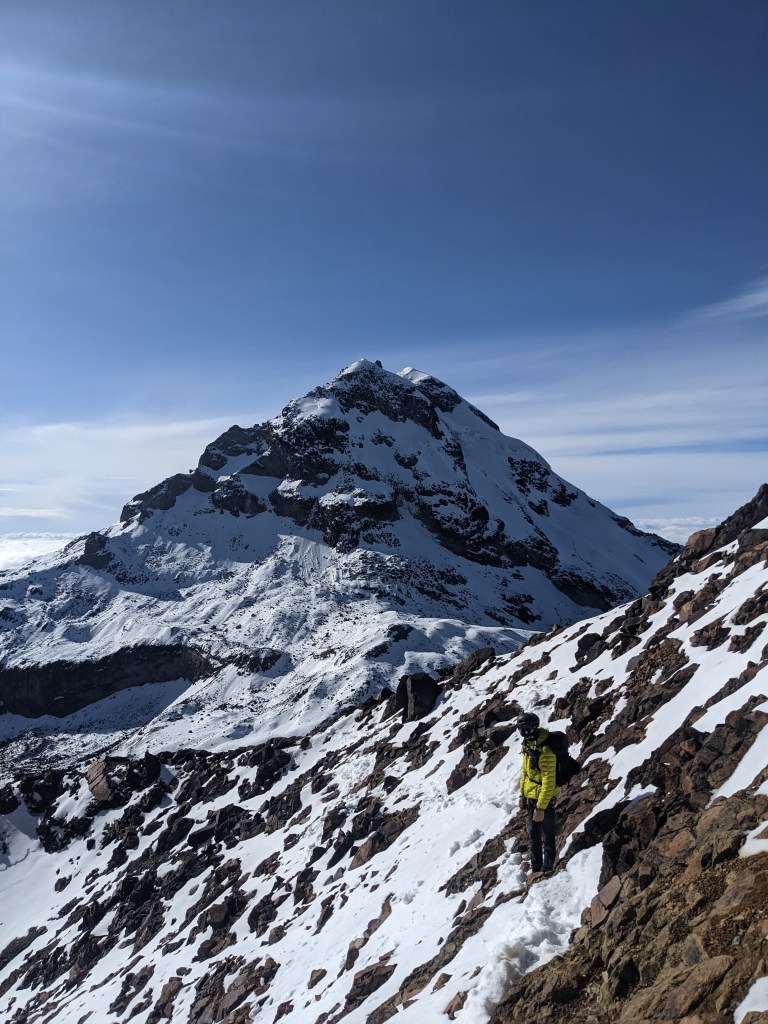
That night, we rested for just a few hours before setting off at midnight to climb Illinizas Norte. The ascent was relatively short but required focus due to exposed sections. The starlit sky and the silence of the mountain made the climb feel almost meditative.
Cayambe: A Technical and Rewarding Ascent
After Illinizas, we drove to Cayambe Basecamp. The journey itself was spectacular, with winding roads that offered glimpses of distant peaks, rolling green hills, and grazing llamas. Basecamp is situated at approximately 4,600 meters (15,100 feet), a stark but beautiful environment surrounded by glaciers.
The climb began at midnight. Equipped with headlamps, crampons, and ice axes, Lucian and I found our rhythm, quickly catching up to other groups who had started hours earlier.
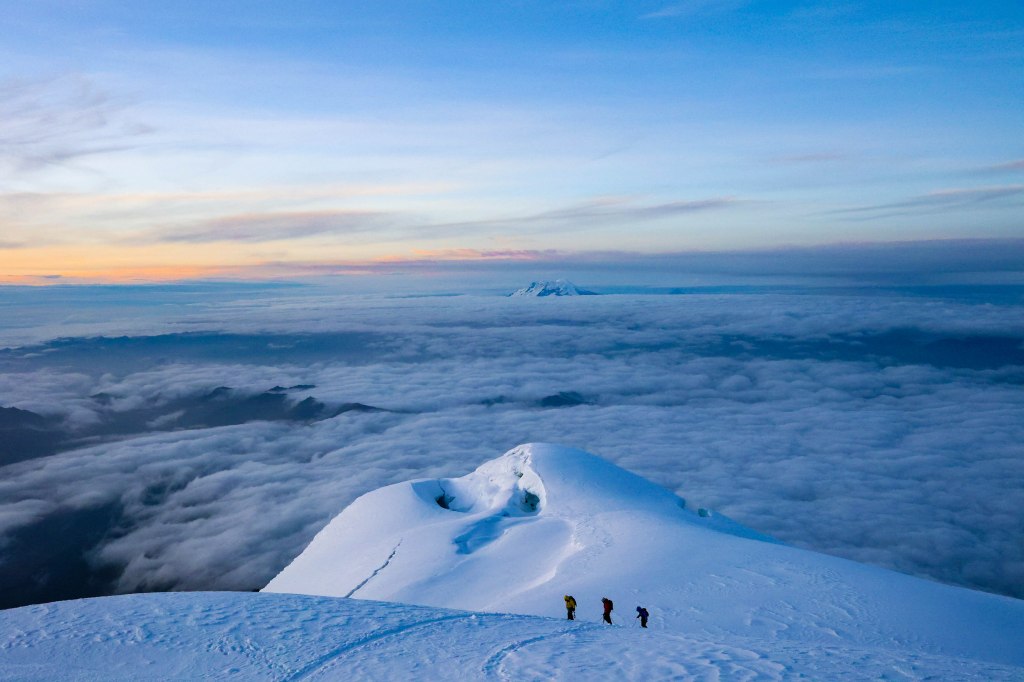
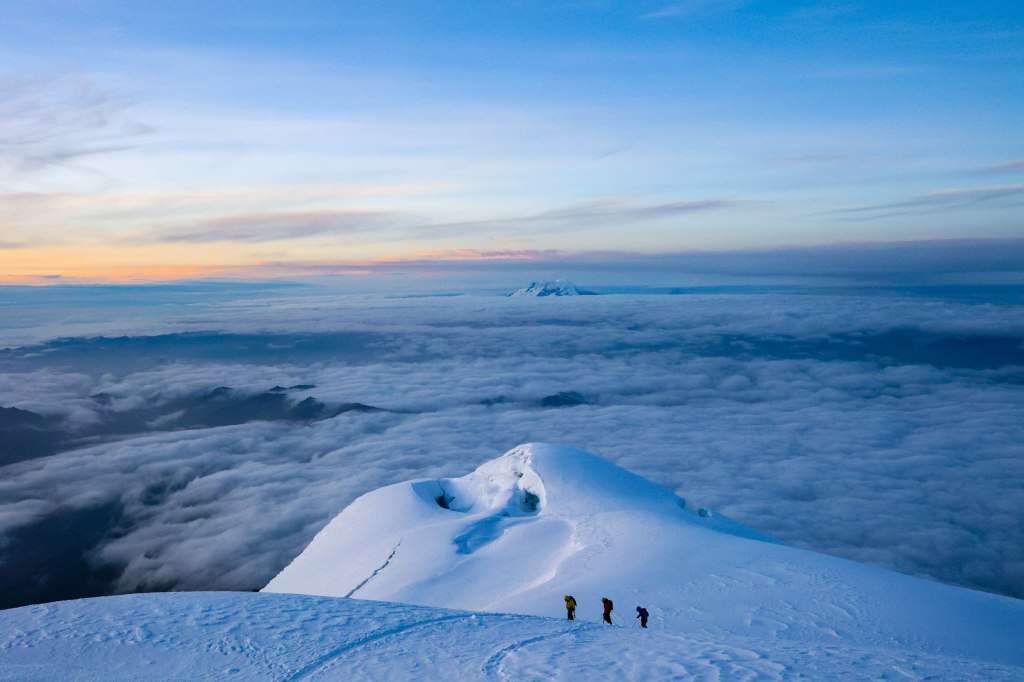
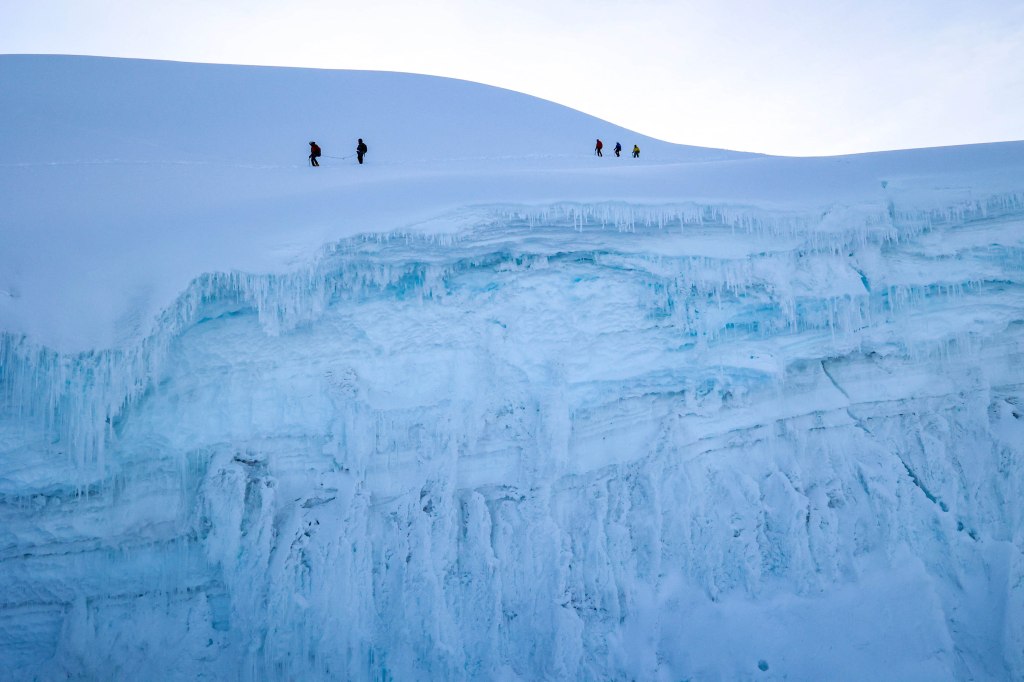
Cayambe’s terrain is both challenging and exhilarating. The route took us over massive crevasses and snow bridges, demanding precision and focus. The altitude tested our endurance, but the promise of the summit kept us moving.
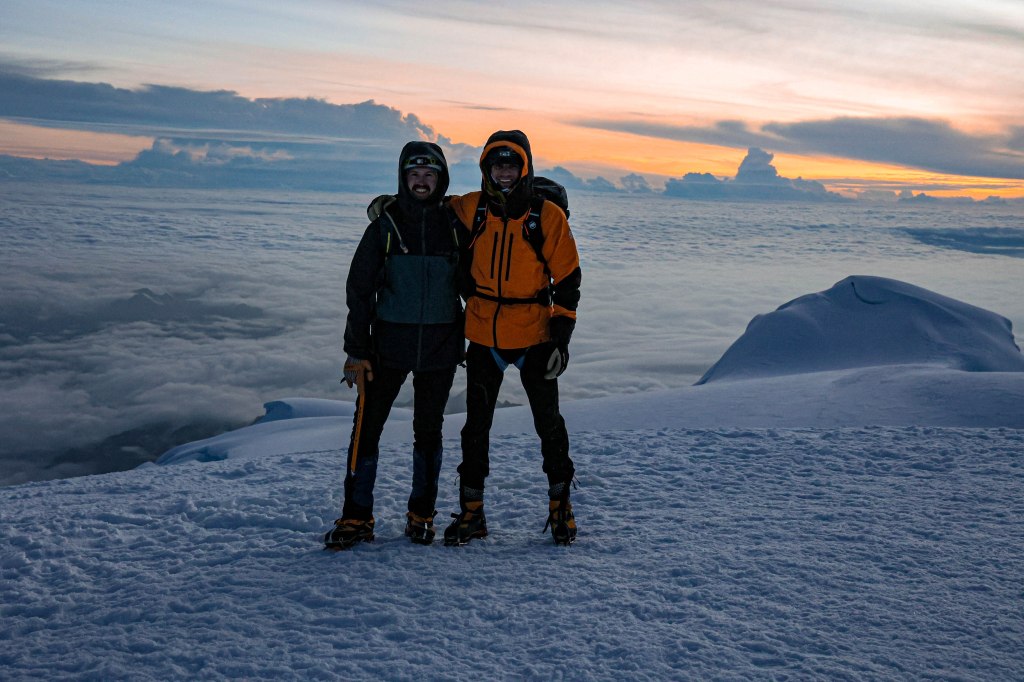
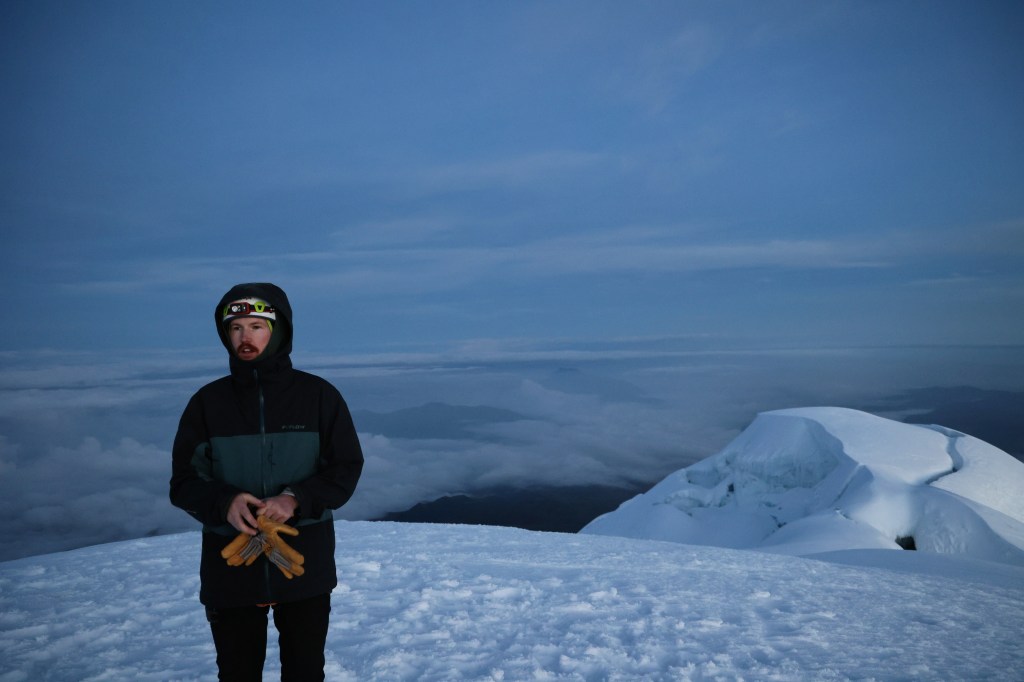
As the horizon began to glow, we reached the summit just before sunrise. The view was otherworldly—golden light spilled across the Andes, illuminating a sea of clouds and distant peaks. It was a moment of pure magic, a reward that made every step worthwhile.
The descent was equally memorable. With crampons crunching on hard ice, we navigated back down to basecamp, laughing about how much faster (and more fun) it would’ve been with skis.
What It’s Like to Climb in Ecuador
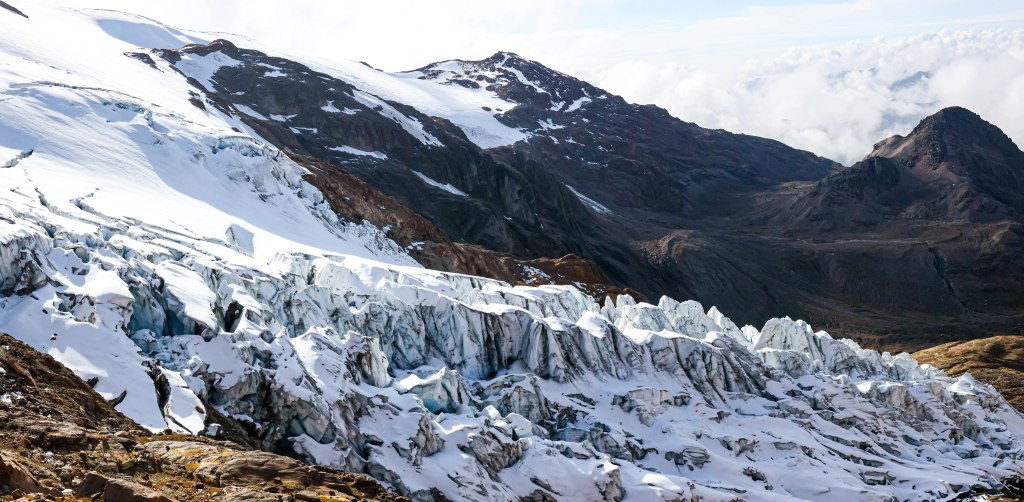
Climbing in Ecuador is a unique experience. The peaks are close to the equator, which means mild weather and the chance to experience high-altitude climbing without extreme cold. The glaciers are vast and often crevassed, offering technical challenges that make each climb exciting.
The combination of stunning landscapes, technical terrain, and warm, welcoming culture makes Ecuador a destination every mountaineer should visit at least once.
Gear List for Climbing Cayambe
Here’s the gear we used on our climb:
- Climbing Equipment: Crampons, ice axe, harness, helmet, glacier rope, belay device, carabiners.
- Clothing:
- Base layers (top and bottom)
- Insulated mid-layers
- Waterproof shell jacket and pants
- Down jacket for summit day
- Warm hat and gloves (plus a backup pair)
- Footwear: Mountaineering boots (insulated and crampon-compatible)
- Essentials: Headlamp with extra batteries, sunglasses, sunscreen, water bottles, high-calorie snacks.
- Safety Gear: Avalanche beacon, probe, shovel.
Tips for Climbing in Ecuador
- Acclimatize Properly: Spend a few days at higher elevations before attempting big climbs. Peaks like Pichincha and Illinizas are perfect for acclimatization.
- Hire a Guide: If you’re unfamiliar with glacier travel or the area, hiring a local guide can enhance your safety and experience.
- Prepare for All Conditions: Weather in the Andes can change rapidly. Pack layers and be ready for anything from sunshine to snowstorms.
- Learn Some Spanish: Even a few basic phrases can go a long way in navigating logistics and connecting with locals.
Reflections on the Climb
Ecuador tested us in unexpected ways, from adapting our plans to overcoming technical challenges. But those are the moments that make mountaineering so rewarding. Standing on the summit of Cayambe, watching the sunrise over the Andes, was a humbling reminder of why we love the mountains.
Lucian and I left Ecuador with tired legs, full hearts, and a deep appreciation for the adventure. This trip was a testament to the power of resilience, flexibility, and the joy of exploration.
What’s your favorite mountaineering memory? Share your story in the comments—we’d love to hear about your adventures!
 Beyond Base Camp
Leave a comment