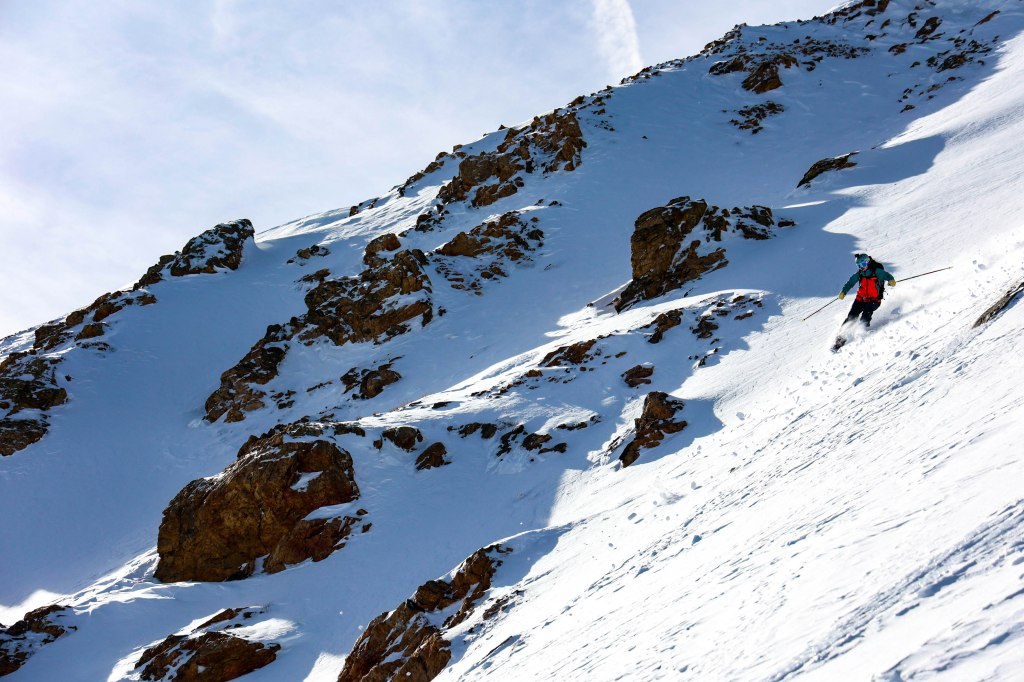
Backcountry skiing in Colorado is an incredible experience that combines the thrill of skiing with the beauty of untouched nature. Whether you’re just starting out or looking to expand your horizons, here’s everything you need to know to get started safely and enjoyably.
My Setup for Backcountry Skiing
Over the years, I’ve dialed in my gear setup to balance weight, performance, and versatility. Here’s what I currently use:
- Skis: Line Vision 98
- Bindings: Marker Kingpin 13
- Skins: Black Diamond
- Boots: Tecnica Zero G Tour
This setup is very light and performs well in various conditions. However, I highly recommend finding gear that works best for your skill level, skiing style, and budget.

Route Planning
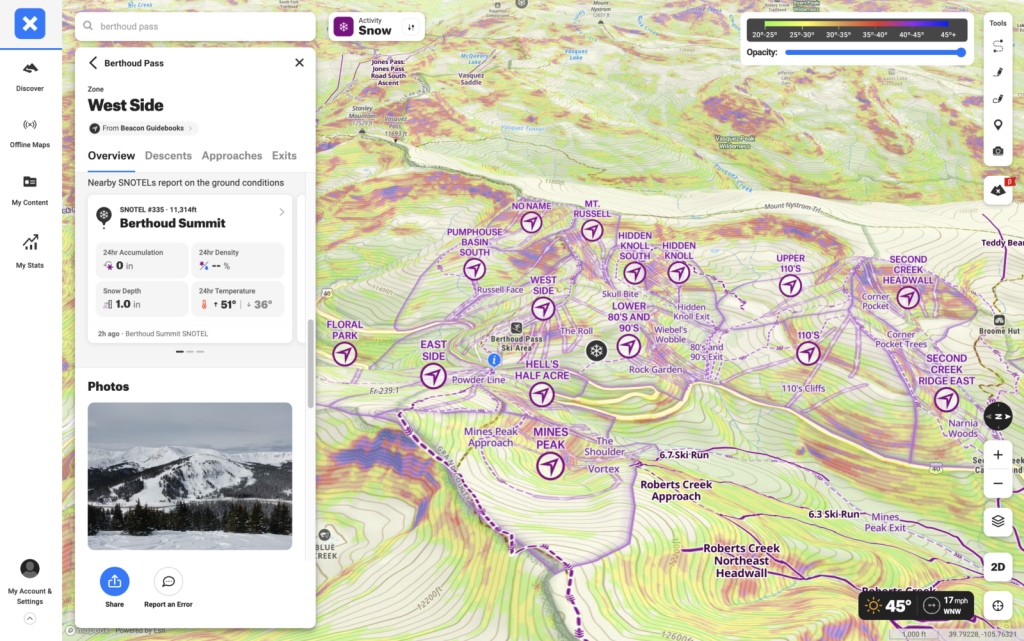
Planning your route is one of the most important parts of backcountry skiing. I use apps like OnX Backcountry and Strava to scout and map out routes. These tools allow you to see a variety of options, including elevation profiles and terrain details.
For beginners, choose a route that is easier than you think you can handle. Snow conditions can be unpredictable, and backcountry skiing is often more challenging than resort skiing.
Avalanche Safety
Safety should always be your top priority in the backcountry. Make sure to have the following essential avalanche safety gear:
- Beacon
- Probe
- Shovel
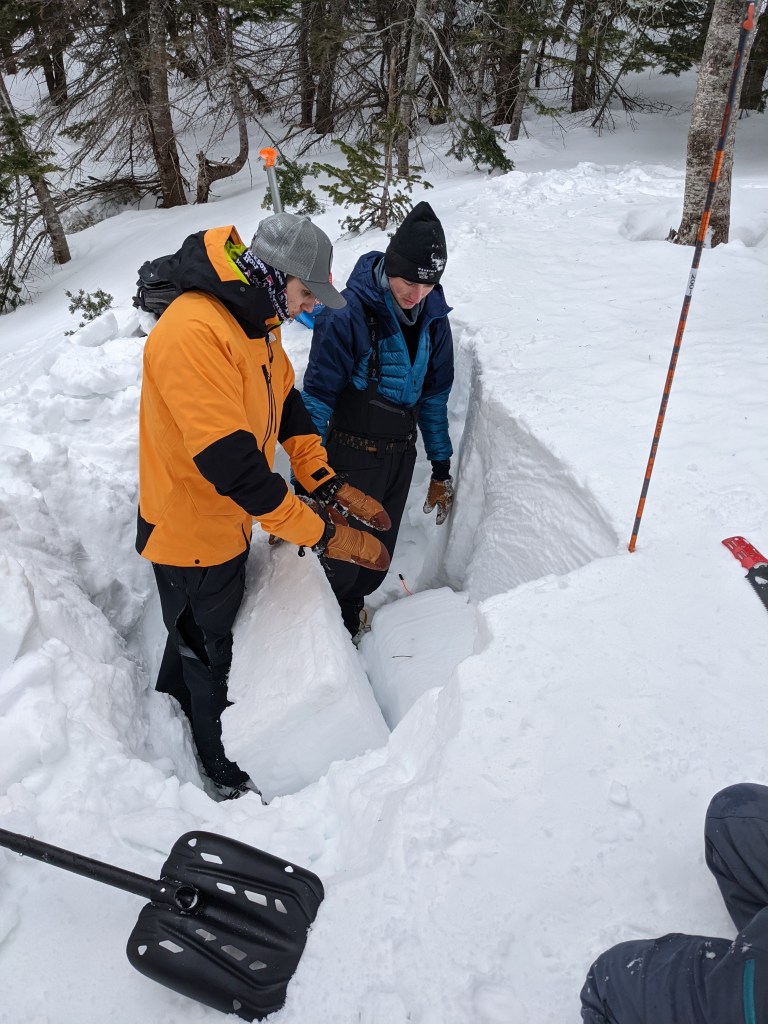
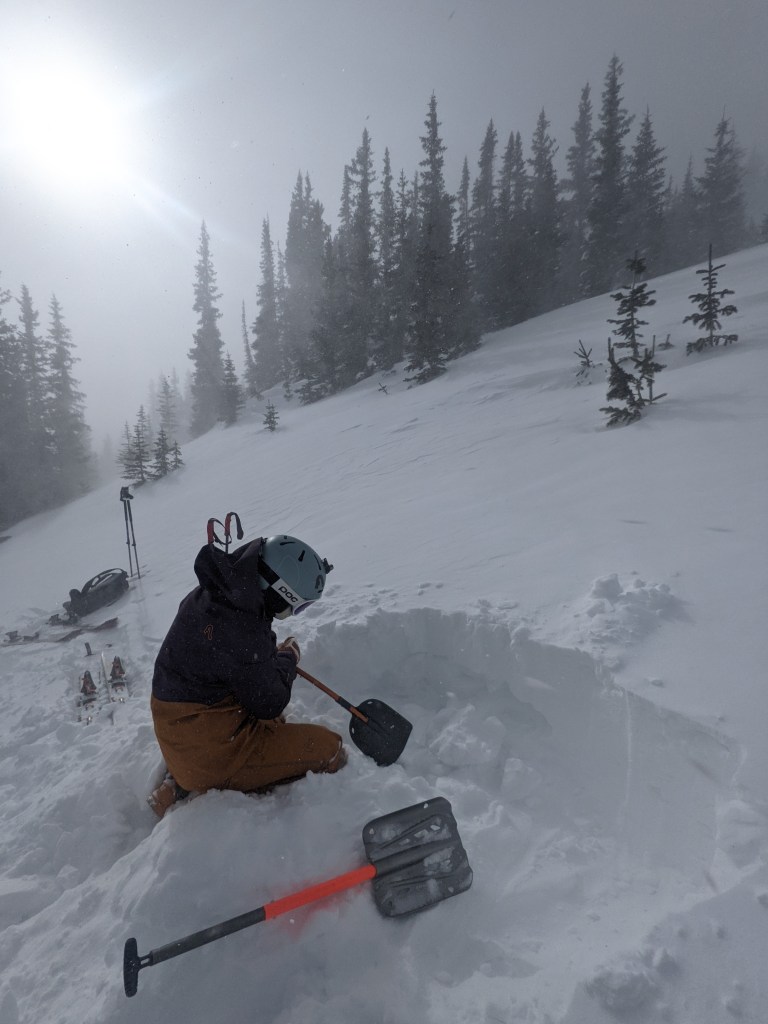
Additionally, consider taking an Avy 1 course to learn how to recognize and mitigate avalanche risks. Always check the Colorado Avalanche Information Center (CAIC) website before heading out. Look for areas marked green or yellow, indicating low to moderate avalanche risk, and stick to slopes with lower angles.
Group Dynamics
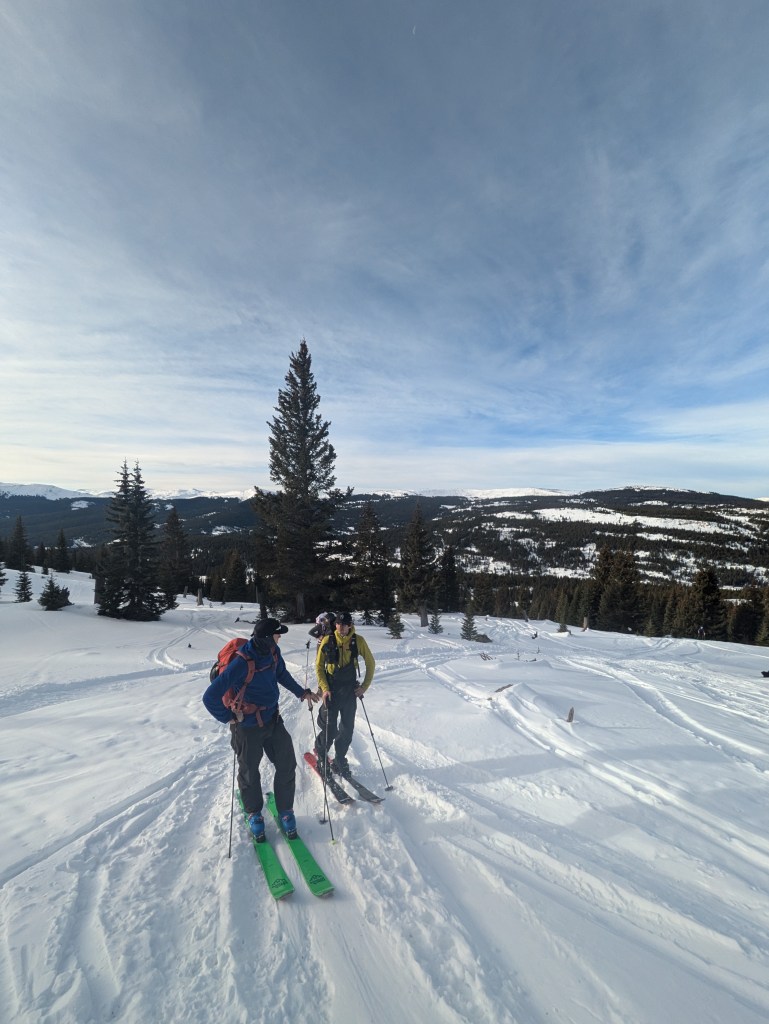
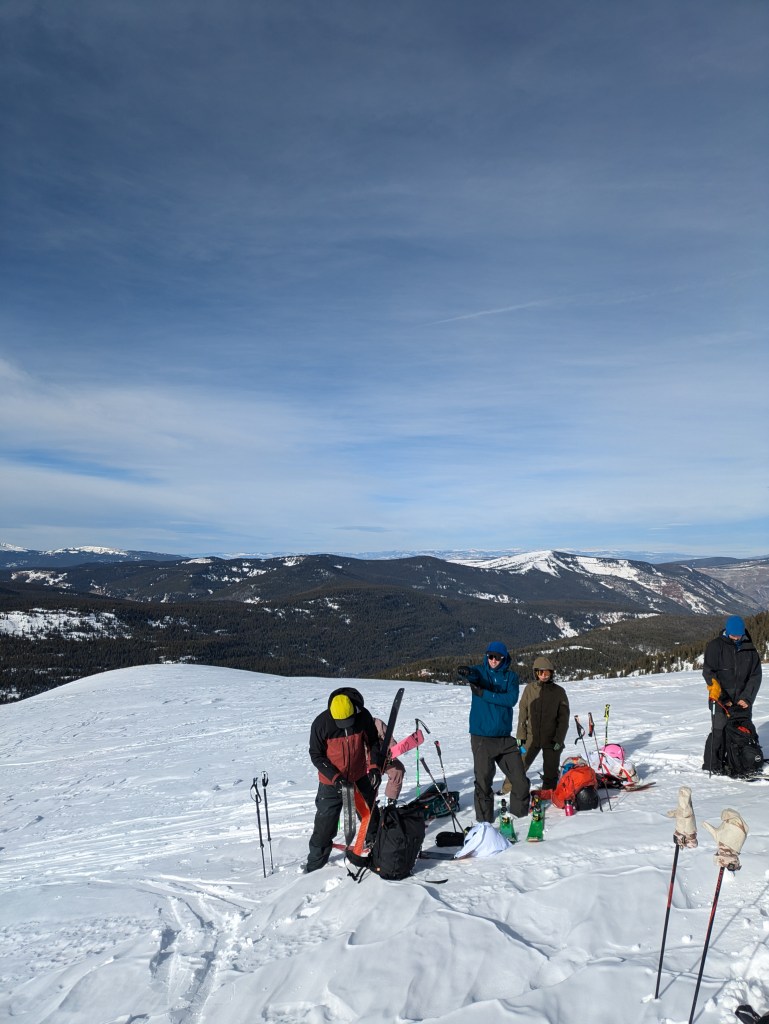
Backcountry skiing is safer and more enjoyable with a group. Ideally, ski with 3-5 people to ensure you have enough support while maintaining efficiency.
Layering and Clothing Tips
Proper layering is crucial for comfort and safety. Here’s what I recommend:
- Bottoms: Baselayer and non-insulated shell pants. If you get warm, unzip your ski pants slightly to vent.
- Tops: A T-shirt with a thin athletic fleece or baselayer mid-layer. Add a puffy jacket and shell as needed.
- Accessories: Thin ski socks, lightweight mittens for the uphill, and insulated mittens for the downhill.
Avoid sweating too much, as wet layers can become dangerously cold. Adjust your layers as you go.
Beginner-Friendly Routes in Colorado
If you’re just starting out, here are some great backcountry skiing routes to consider:
- Berthoud Pass: Accessible and offers a range of beginner to intermediate terrain.
- Loveland Pass: Known for its ease of access and mellow slopes.
- Butler Gulch: A popular spot with a manageable ascent and scenic views.
- Coon Hill: Perfect for shorter outings with stunning vistas.
Additional Tips
- Hydration and Snacks: Always bring plenty of water and high-energy snacks. Dehydration and low energy can make a day in the backcountry miserable.
- Start Early: Weather conditions can change rapidly, and starting early gives you more time to adjust.
- Know When to Turn Back: Conditions can deteriorate quickly. Don’t hesitate to call it a day if things feel unsafe.
Final Thoughts
Backcountry skiing in Colorado offers unparalleled adventure and beauty. With the right gear, preparation, and respect for the mountains, you can enjoy safe and thrilling experiences in some of the most breathtaking terrain on earth. Always prioritize safety and take the time to build your skills gradually. See you on the slopes!
 Beyond Base Camp
Leave a comment