
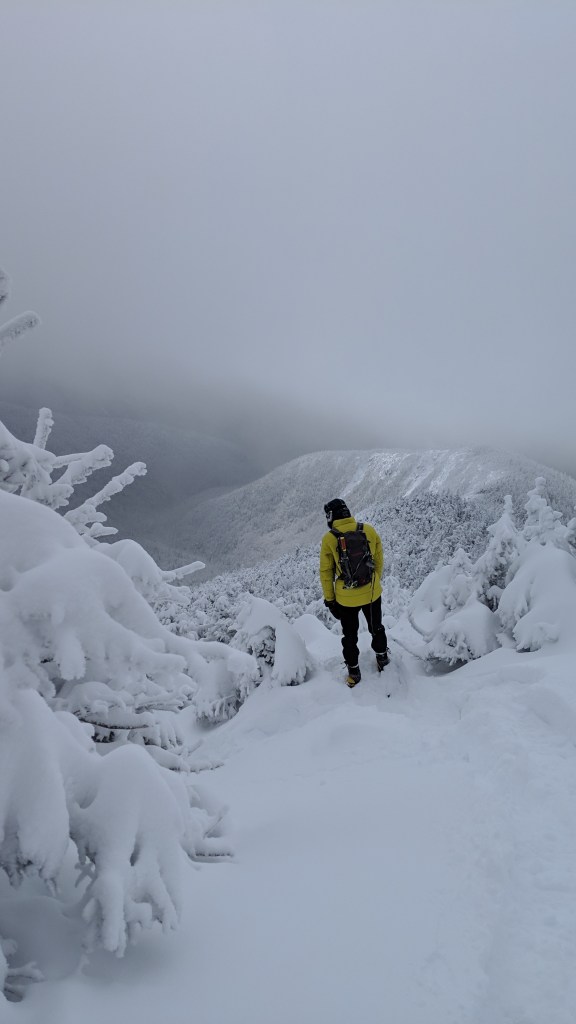
Winter in New Hampshire’s White Mountains transforms the rugged terrain into a pristine wonderland of snow-covered peaks and frosted forests. For adventurous hikers, the allure of summiting a peak in this icy paradise is irresistible. However, winter hiking in the Whites requires careful preparation, respect for the elements, and an adventurous spirit. Here’s your guide to safely and successfully exploring these iconic mountains in winter.
Why Winter Hike in the White Mountains?
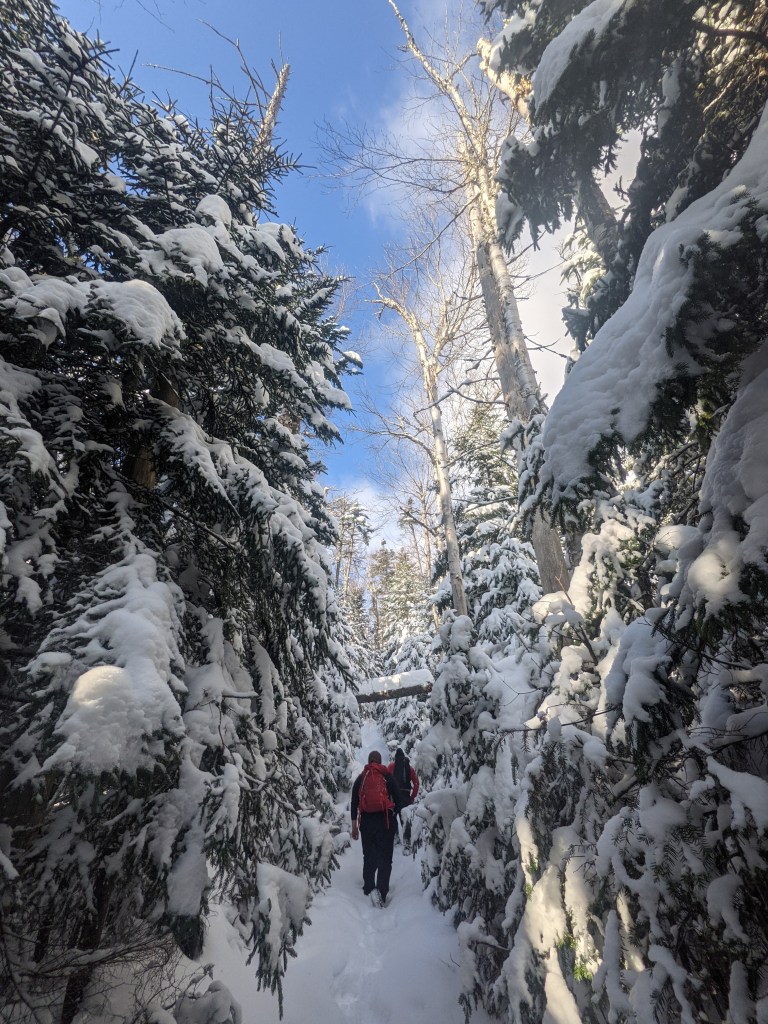
- Stunning Scenery: Snow-draped evergreens, ice-glazed waterfalls, and unobstructed views from the summits make the Whites a photographer’s dream.
- Solitude: Popular trails like Franconia Ridge or Mount Washington are less crowded in winter, offering a more serene experience.
- Challenge: Winter hiking tests your skills, endurance, and resilience, making each summit even more rewarding.

Essential Preparation
Gear Checklist
- Clothing: Layering is crucial. Start with moisture-wicking base layers, followed by insulating mid-layers and a waterproof outer shell. Don’t forget insulated gloves, a hat, and a balaclava or face mask.
- Footwear: Waterproof boots with gaiters are a must. Use microspikes, crampons, or snowshoes depending on trail conditions.
- Backpack Essentials:
- Navigation tools (map, compass, GPS).
- Headlamp with extra batteries.
- High-calorie snacks and water (use an insulated bottle to prevent freezing).
- Emergency bivvy or sleeping bag.
- First aid kit and repair tools.
Plan Your Route
Choose trails that match your skill level and fitness. For beginners, consider routes like Mount Willard or Welch-Dickey Loop. Experienced hikers can tackle iconic peaks like Mount Lafayette or the Presidential Traverse. Always check trail conditions and the weather forecast before heading out.
Safety Tips for Winter Hiking
- Start Early: Daylight is limited in winter, so begin your hike early to avoid being caught out after dark.
- Know Your Limits: Cold temperatures and deep snow make winter hiking more strenuous. Turn back if conditions worsen or you’re feeling fatigued.
- Avalanche Awareness: Some areas of the Whites are prone to avalanches. Familiarize yourself with avalanche safety and avoid risky terrain.
- Buddy System: Hike with a partner and let someone know your plans and estimated return time.
- Stay Warm and Dry: Avoid sweating by adjusting layers as needed and take regular breaks to hydrate and refuel.
Top Winter Hikes in the White Mountains
Mount Jackson (4,052 feet)
- Why Go? Stunning views of the Presidential Range and a relatively moderate climb.
- Trail: Webster-Jackson Trail (5.2 miles round trip).
- Tip: Prepare for icy sections near the summit.
Franconia Ridge Loop
- Why Go? A breathtaking ridge walk with views of Mount Lincoln and Mount Lafayette.
- Trail: Old Bridle Path and Falling Waters Trail (8.4 miles).
- Tip: Be cautious of strong winds along the ridge.
Mount Chocorua (3,490 feet)
- Why Go? Iconic, jagged summit with panoramic views.
- Trail: Champney Falls Trail (7.6 miles round trip).
- Tip: Enjoy the frozen waterfalls along the way.
Mount Moosilauke (4,802 feet)
- Why Go? Sweeping 360-degree views from the summit.
- Trail: Gorge Brook Trail (7.5 miles round trip).
- Tip: The summit can be windy and exposed, so dress warmly.
Mount Pierce (4,310 feet)
- Why Go? Easy access to the Presidential Range with rewarding views.
- Trail: Crawford Path (6.2 miles round trip).
- Tip: Great for intermediate hikers looking to build winter skills.
Mount Washington (6,288 feet)
- Why Go? The tallest peak in the Northeast and a true winter challenge.
- Trail: Tuckerman Ravine Trail (8.4 miles round trip) or Lion Head Winter Route.
- Tip: Only attempt this hike with proper experience, as weather conditions can be extreme.
Carter Dome (4,832 feet)
- Why Go? A quieter hike with breathtaking views of the Presidential Range.
- Trail: Nineteen Mile Brook Trail and Carter Dome Trail (10 miles round trip).
- Tip: Combine with Mount Hight for even better views.
Mount Eisenhower (4,780 feet)
- Why Go? A relatively short hike with expansive views of the surrounding peaks.
- Trail: Edmands Path (6.6 miles round trip).
- Tip: Be prepared for exposure at the summit.
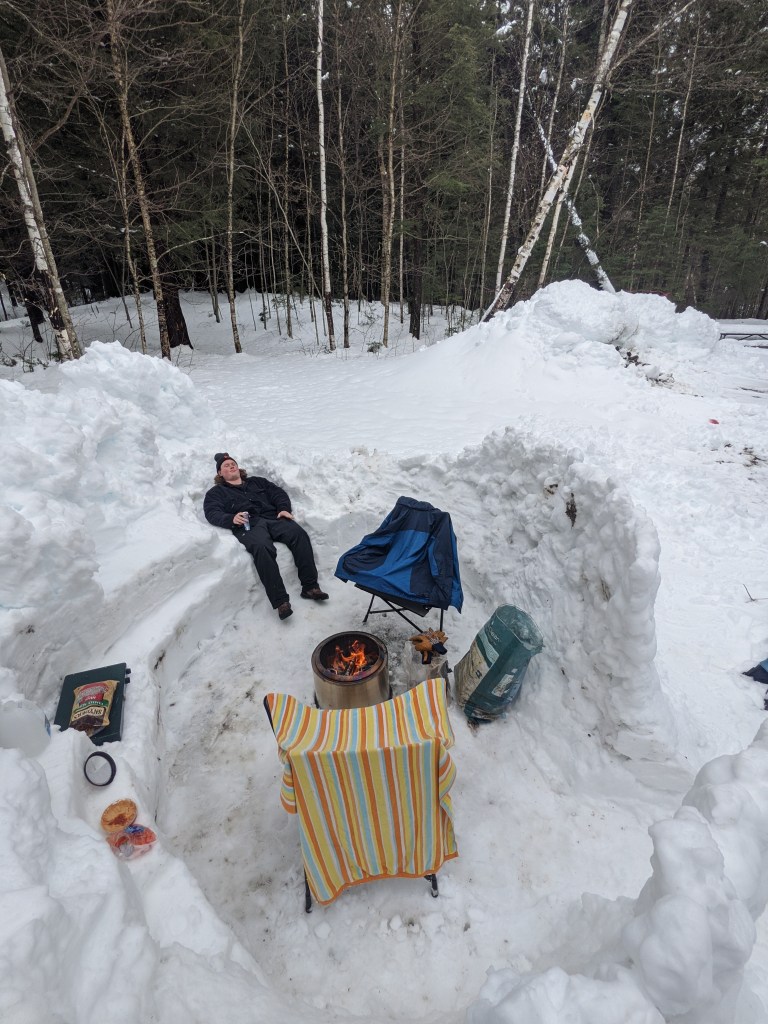
After the Hike: Warming Up
Post-hike, reward yourself with a hearty meal and warm drink. Nearby towns like North Conway and Lincoln offer cozy cafes and restaurants to refuel. Some popular spots include:
- Flatbread Company (North Conway): Perfect for a post-hike pizza.
- Woodstock Inn Brewery (Woodstock): Warm up with craft beer and comfort food.
- Polly’s Pancake Parlor (Sugar Hill): Treat yourself to a stack of warm pancakes and maple syrup.
Final Thoughts
Winter hiking in New Hampshire’s White Mountains is a thrilling experience that combines natural beauty with the satisfaction of conquering the elements. With the right preparation and mindset, you’ll discover a side of these peaks that few get to see. So bundle up, lace your boots, and hit the trails — the White Mountains are waiting!
 Beyond Base Camp
Leave a comment